Artificial intelligence is changing creative work faster than almost anyone predicted.
Just a few years ago, AI-generated images felt experimental. Then came text-to-video models, AI voice generation, AI editing systems, and creative copilots. Now, the conversation has shifted again — and one product is suddenly at the center of it:
Runway Agent.
Across social media, creative communities, AI forums, design studios, marketing teams, and filmmaking circles, people are increasingly asking the same question:
Is Runway Agent the future of content creation?
The excitement surrounding Runway Agent is not just hype.
It represents a much larger shift happening across the AI industry:
the transition from isolated AI tools to autonomous AI creative systems.
In this article, we’ll break down:
- what Runway Agent actually is
- why creators are talking about it
- how it works
- what makes it different from other AI tools
- how it could change filmmaking and content creation
- and why many people believe AI creative agents are the next major technological shift
What Is Runway Agent?
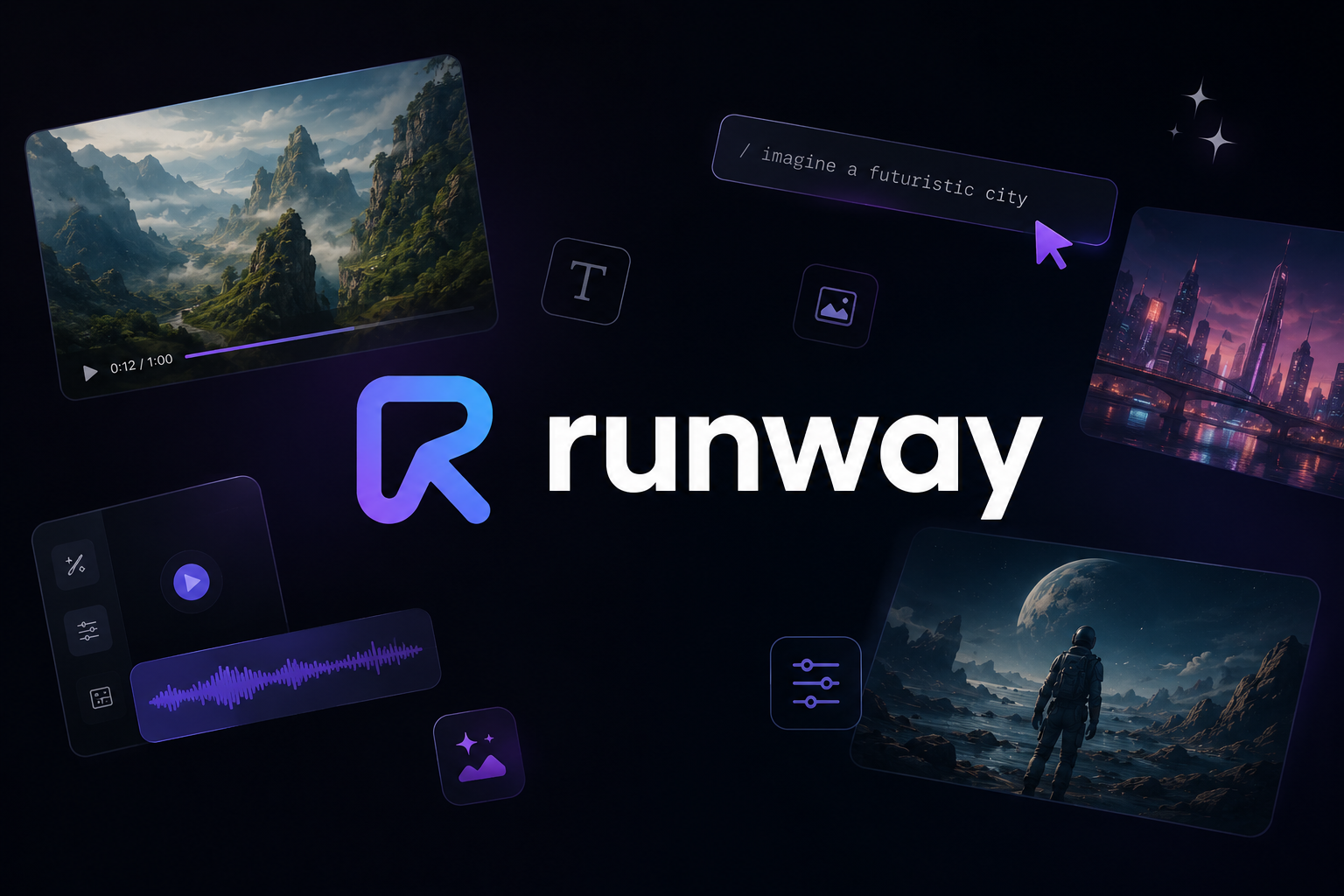
Runway Agent is an AI-powered creative assistant developed by Runway Runway.
Unlike traditional AI generation tools that simply respond to prompts, Runway Agent is designed to act more like a collaborative creative partner.
Instead of manually:
- generating scenes
- editing clips
- creating storyboards
- writing scripts
- producing transitions
- adding sound design
users can interact with Runway Agent conversationally.
The AI helps orchestrate the entire creative process.
According to Runway, the system can assist with:
- ideation
- storytelling
- scene generation
- editing
- cinematic direction
- sound design
- video sequencing
- production workflows
This is a massive shift from the earlier generation of AI tools.
Previously, AI tools were mostly reactive.
Runway Agent attempts to become proactive.
Why Runway Agent Feels Different
The reason Runway Agent is generating so much discussion is because it changes how people think about AI creativity.
Most AI tools still operate like utilities.
For example:
- image generators create visuals
- writing tools generate text
- video models create clips
- editing AI automates small tasks
But Runway Agent feels more like a system.
A creative operating layer.
Instead of:
“Generate a cyberpunk city.”
The interaction becomes:
“Help me create a cinematic launch video for a fashion brand targeting Gen Z audiences.”
That difference is enormous.
The AI is no longer just producing assets.
It is helping coordinate creative intent.
The Shift From AI Tools to AI Agents
One of the biggest technology trends in 2026 is the rise of AI agents.
Traditional AI models typically operate in isolated interactions:
- prompt in
- response out
AI agents are different.
They can:
- maintain context
- execute multiple tasks
- adapt workflows
- make recommendations
- coordinate systems
- remember goals
This is why Runway Agent matters.
It represents the beginning of AI-driven creative orchestration.
And this shift extends far beyond video generation.
The entire AI industry is moving toward:
- autonomous systems
- agentic workflows
- conversational interfaces
- AI collaboration models
Runway Agent is one of the clearest examples of this trend inside creative industries.
What Can Runway Agent Actually Do?
Runway Agent combines multiple creative functions into one workflow.
While capabilities continue evolving rapidly, the platform focuses heavily on:
- AI video generation
- cinematic editing
- visual storytelling
- scene generation
- creative ideation
- automated production assistance
Users can describe:
- a story idea
- a campaign concept
- a visual mood
- a brand identity
- a cinematic style
And Runway Agent helps build a cohesive production around it.
This may include:
- generating shots
- suggesting transitions
- building sequences
- enhancing pacing
- refining visual consistency
- creating alternative edits
The system is increasingly designed to behave less like software and more like a collaborative creative environment.
Why AI Video Is Becoming So Important
Video has become the dominant format on the internet.
Platforms like:
- TikTok
- YouTube
- Instagram Reels
- Shorts
- streaming platforms
have shifted audience behavior toward visual-first content consumption.
But traditional video production is expensive.
It requires:
- scripting
- filming
- editing
- motion graphics
- sound design
- rendering
- revisions
AI dramatically lowers those barriers.
This is one reason the AI video generation market is exploding.
Creators now want:
- faster production
- lower costs
- scalable workflows
- personalized content
- cinematic quality
Runway Agent directly targets this demand.
The Rise of AI Filmmaking
One reason creators are paying attention to Runway Agent is because it signals the rise of AI-assisted filmmaking.
AI video tools are rapidly evolving from:
- experimental clip generators
into:
- cinematic production systems
Runway has heavily positioned itself around:
- filmmaking
- storytelling
- cinematic realism
- creative direction
rather than purely viral AI experimentation.
This matters.
Because many competing AI tools focus mainly on:
- novelty
- social media clips
- short-form entertainment
Runway increasingly targets professional creative workflows.
Runway’s Bigger Vision
Runway’s broader vision extends beyond generating videos.
The company has repeatedly described its mission as building systems capable of simulating the world.
That sounds ambitious — because it is.
Runway is investing heavily into:
- world models
- cinematic simulation
- consistent character generation
- AI editing systems
- multimodal creativity
- creative agents
Its newer models focus heavily on:
- visual coherence
- scene continuity
- realism
- cinematic camera behavior
- storytelling consistency
This is part of why many creators see Runway as more than just another AI startup.
It increasingly feels like an AI-native creative platform.
Why Designers and Creators Are Excited
Runway Agent solves a major frustration many creatives experience:
creative friction.
A huge amount of creative energy is often wasted on:
- repetitive editing
- technical execution
- production bottlenecks
- workflow fragmentation
AI systems like Runway Agent reduce that friction.
This allows creators to focus more heavily on:
- ideas
- storytelling
- aesthetics
- emotional direction
- experimentation
This shift changes creative work fundamentally.
The bottleneck increasingly becomes:
creative judgment rather than production capacity.
AI Changes the Economics of Creativity
Historically, high-end visual production required significant budgets.
AI changes those economics dramatically.
Small teams can now produce:
- branded content
- cinematic ads
- animations
- social campaigns
- concept films
with much lower operational costs.
This democratizes production.
Independent creators suddenly gain capabilities previously reserved for:
- agencies
- studios
- production houses
- large marketing teams
That is one reason AI creative tools are advancing so aggressively:
the market demand is enormous.
The Most Important Skill Is Still Human Taste
One misconception about AI creativity is that generation itself becomes the valuable skill.
It does not.
As AI generation becomes easier, curation becomes more valuable.
Runway Agent can help generate:
- scenes
- edits
- variations
- concepts
But it still takes a human creator to decide:
- what feels right
- what matches the brand
- what creates emotional impact
- what tells the strongest story
This is why experienced creatives are not becoming irrelevant.
In many ways, their judgment becomes more important.
AI Creativity Is Becoming Collaborative
The future of creativity increasingly looks collaborative rather than automated.
The strongest workflows now combine:
- human direction
- AI generation
- AI editing
- AI ideation
- human storytelling
- human curation
Runway Agent fits directly into this model.
It is not trying to fully replace filmmakers or creators.
It is trying to amplify them.
That distinction matters enormously.
Why Marketers Are Watching Runway Closely
Marketing teams are especially interested in AI video systems because modern content demand is overwhelming.
Brands constantly need:
- short-form video
- ads
- product demos
- social content
- localized campaigns
- platform-specific edits
Traditional production pipelines struggle to scale efficiently.
AI systems dramatically accelerate:
- ideation
- production
- editing
- experimentation
Runway Agent potentially allows marketers to:
- test more creative directions
- personalize campaigns faster
- generate multiple versions rapidly
- reduce production turnaround time
This is one reason AI video generation is becoming central to digital marketing strategy.
How Runway Compares to Other AI Video Platforms
The AI video generation space is becoming extremely competitive.
Major competitors now include:
- OpenAI Sora
- Google Veo
- Pika
- Luma AI
- Kling
- Adobe Firefly
Each platform has different strengths.
Runway’s advantage appears to be its focus on:
- workflow orchestration
- creative collaboration
- cinematic storytelling
- editing integration
- creative direction
rather than simply generating short clips.
This gives it a more professional positioning.
The Ethical Concerns Around AI Video
As AI-generated video becomes more realistic, ethical concerns are increasing rapidly.
Key concerns include:
- deepfakes
- misinformation
- copyright
- synthetic actors
- AI-generated propaganda
- fake news
- identity misuse
Systems like Runway Agent make high-quality video production dramatically easier.
That creates incredible opportunities.
But also significant risks.
The internet is approaching a point where distinguishing:
- real footage
- synthetic media
- partially AI-generated content
may become increasingly difficult.
This is why conversations around:
- AI transparency
- disclosure
- watermarking
- regulation
are becoming more urgent.
The Future of AI Creative Workflows
Runway Agent represents something larger than a single product release.
It represents the future direction of creative software.
Traditional creative applications relied heavily on:
- menus
- timelines
- manual editing
- layered interfaces
AI creative systems increasingly rely on:
- conversation
- context
- intent
- orchestration
- automation
The future creator may spend less time:
- manually editing
- organizing assets
- performing repetitive production tasks
And more time:
- directing ideas
- refining storytelling
- shaping emotional tone
- making creative decisions
That is a profound shift.
Why Everyone Is Talking About Runway Agent
The excitement around Runway Agent is not simply about another AI feature launch.
It reflects a growing realization that AI creative systems are entering a completely new phase.
We are moving from:
- AI tools
to: - AI collaborators
And eventually:
- AI creative ecosystems
Runway Agent feels important because it offers an early glimpse into what that future might look like.
A future where:
- creators direct workflows conversationally
- AI systems handle production complexity
- storytelling becomes more scalable
- cinematic creation becomes dramatically more accessible
Whether this future becomes empowering, disruptive, controversial, or transformative remains to be seen.
But one thing is already clear:
Runway Agent is not just another AI video generator.
It may represent the beginning of an entirely new creative paradigm.